
Why You Can't Read the Label from Inside the Bottle
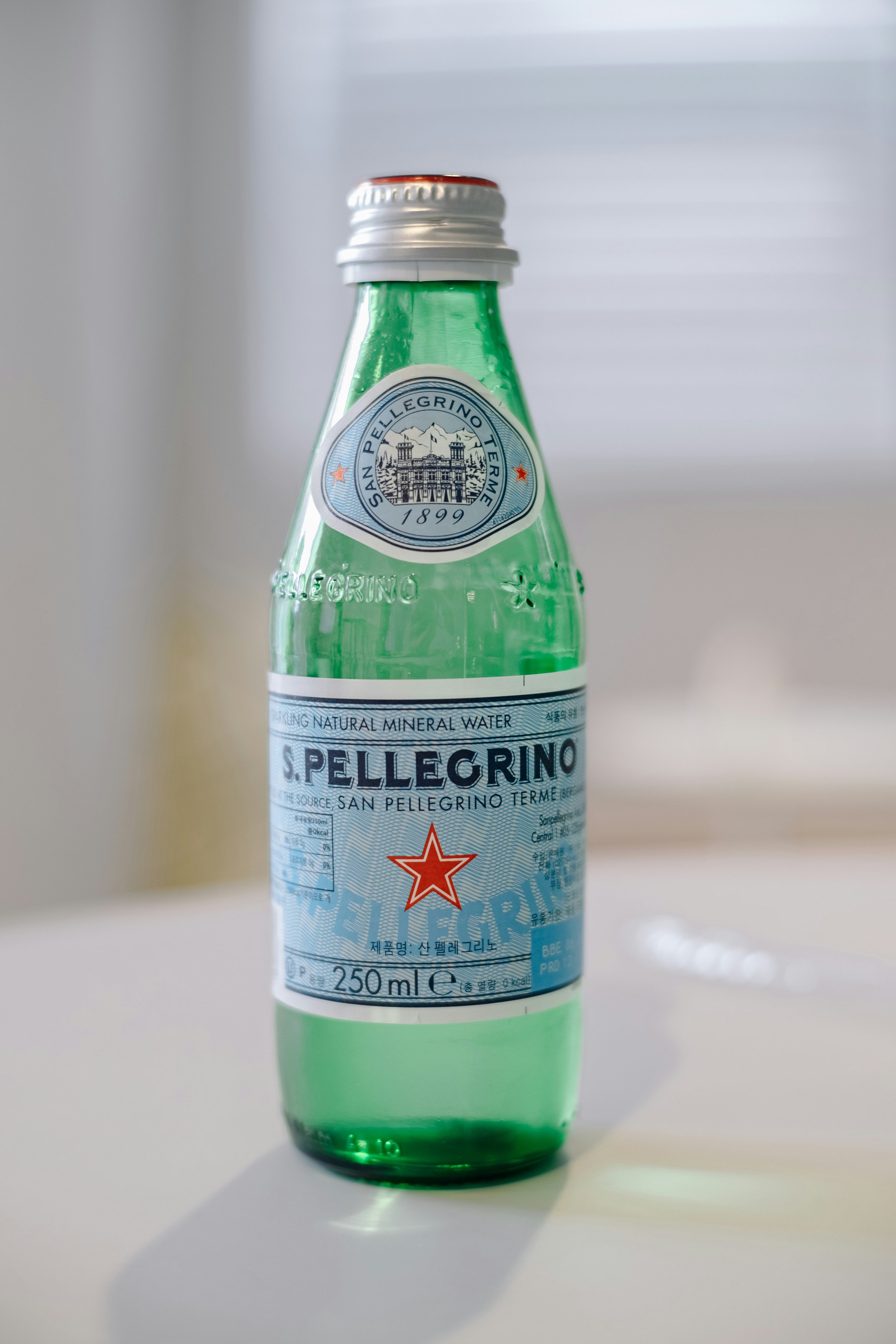
Photo by Wesley Shen on Unsplash
You know the story behind the mid-century modern Drexel furniture and the the designer who found those specific lobby chairs. You know there’s a work order in for that the scuff mark in the hallway leading to the bar, and why the pool is closed—again.
This meticulous knowledge is your superpower. It’s what drives you to perfect every detail. But in the most well-meaning way, that passion is also the source of your greatest challenge.
You have an owner’s blind spot.
It’s a natural, unavoidable phenomenon that every eager leader faces. You’re so deeply immersed in your property—so inside the bottle, so to speak—that it’s become impossible for you to objectively read the label on the outside. And the label is the only thing your guests see.
The Perception Gap and the High Cost of Friction
A blind spot is a quantifiable business risk. Salesforce’s 2024 report, "The State of the AI-Connected Customer," found that 80% of customers say the experience a company provides is as important as its products or services.
In hospitality, the experience is the product.
When you walk your property, you're not seeing it for what it is; you're seeing it for what you know it to be. You're not a guest; you're a historian, manager, and accountant all at once.
You see the story: When you look at that slightly worn armchair, you see the antique heirloom you sourced from a local artisan. A first-time guest just sees a tired, worn-out chair that doesn't match the premium price point.
You see the operation: When the check-in line is three-deep, you see a complex staffing puzzle, a server who just called out, and a computer system that's struggling. A guest just feels ignored and anxious, and their stay has begun with stress.
These small points of friction, invisible to an owner who understands the "why" behind them, have an outsized impact. A 2023 PWC survey found that nearly one in three customers will walk away from a brand they love after just one bad experience. That worn chair or slow check-in isn't just a minor issue; it's a potential deal-breaker.
Relying on the Rearview Mirror
"But I read all my guest surveys and online reviews," you might say. "I know what my guests think."
Relying on post-stay feedback is essential, but it’s a reactive approach—like trying to drive your car by only looking in the rearview mirror. You're hearing the story of a stay that’s already over, and you're only hearing from the small fraction of guests motivated enough to speak up.
The vast majority of dissatisfied guests—some studies cite as high as 90%—never file a complaint. They simply leave, don't return, and tell their friends about the "tired" lobby or the "chaotic" check-in. They won't fill out your survey, and they won't give you a chance to fix it. This silent churn is a blind spot's most expensive consequence.
The Case for an Objective, Empathetic Lens
To truly understand the guest experience, operators must see their property with fresh eyes—as it is, not as they know it to be. Data from surveys can tell you what happened, but it rarely tells you why it happened or, more importantly, how it felt.
A survey can tell you "check-in was slow." It can't tell you that the real problem was the lack of a warm greeting, the agent's stressed energy, or the badly photocopied property map that was impossible to read that made the whole process feel clunky and impersonal. Any of these issues are a real disconnect from your brand's "warm & welcoming" promise.
It’s here that the value of an objective, external perspective becomes clear. An external, empathetic audit moves beyond a simple checklist to analyze the emotional arc of the journey. It's about understanding how all the tiny operational details—the lighting, the music, the team's demeanor, the copy on the menu—weave together to tell a cohesive story.
A simple way operators can turn data into real action is by zooming in on what the numbers actually mean—like iSeatz’s 2024 finding that 65% of guests feel more loyal to hotels that personalize their experience. An internal team might look at personalization and think, “That’s a huge data project.” But a fresh, outside perspective can spot 10 easy, low-cost moments in the existing guest journey where a small, thoughtful touch of personalization could be added right away.
For hotels to really thrive, leaders have to find a way to get out of their own bubble. It’s about seeing the experience the way a guest sees it—fresh, unfiltered, and without all the insider knowledge. When you close that gap between what you intended and what guests actually experience, you unlock the strongest path to loyalty and long-term profit.
